Facing a first parole interview? Here is the sequence, and what each step costs
Boutique Inns of Kingston NY- Subject
- Parole release and post-release supervision in New York State: how hearings are decided, what legal and nonprofit help costs, and what families can do around a facility visit
- Editor
- The Boutique Inns of Kingston NY team
- Subject
- Parole release and post-release supervision in New York State: how hearings are decided, what legal and nonprofit help costs, and what families can do around a facility visit
Timing of the appearance
Initial interviews are calendared around the month of parole eligibility, and notice often comes weeks rather than months ahead. That short runway is why preparation should begin long before the notice arrives.
An initial parole interview in New York is scheduled around the month of parole eligibility, and the person appearing usually learns the calendar date weeks rather than months in advance. That short runway is the first real cost of the process, because almost everything worth submitting to the Board takes longer to assemble than the notice allows: certificates from programs, a written release plan with a verified address, letters of support, and, where relevant, a mitigation statement. Families who start after the notice arrives are compressing months of work into weeks, and the compression shows in the file.
The notice, and the weeks that follow
Once the appearance is calendared, the institutional parole officer assembles the case folder that commissioners will read. It typically includes the sentencing minutes where they exist, the presentence report, the disciplinary record, program completions, prior parole history, and any statements submitted by a district attorney, sentencing judge, or crime victim. Anything a candidate wants considered has to reach the Board through defined channels and before the packet closes. A support letter mailed the week of the interview may never be seen. The practical deadline is not the hearing date, it is the packet date, and that distinction costs people opportunities every month.
Who sits on the panel, and how long the interview runs
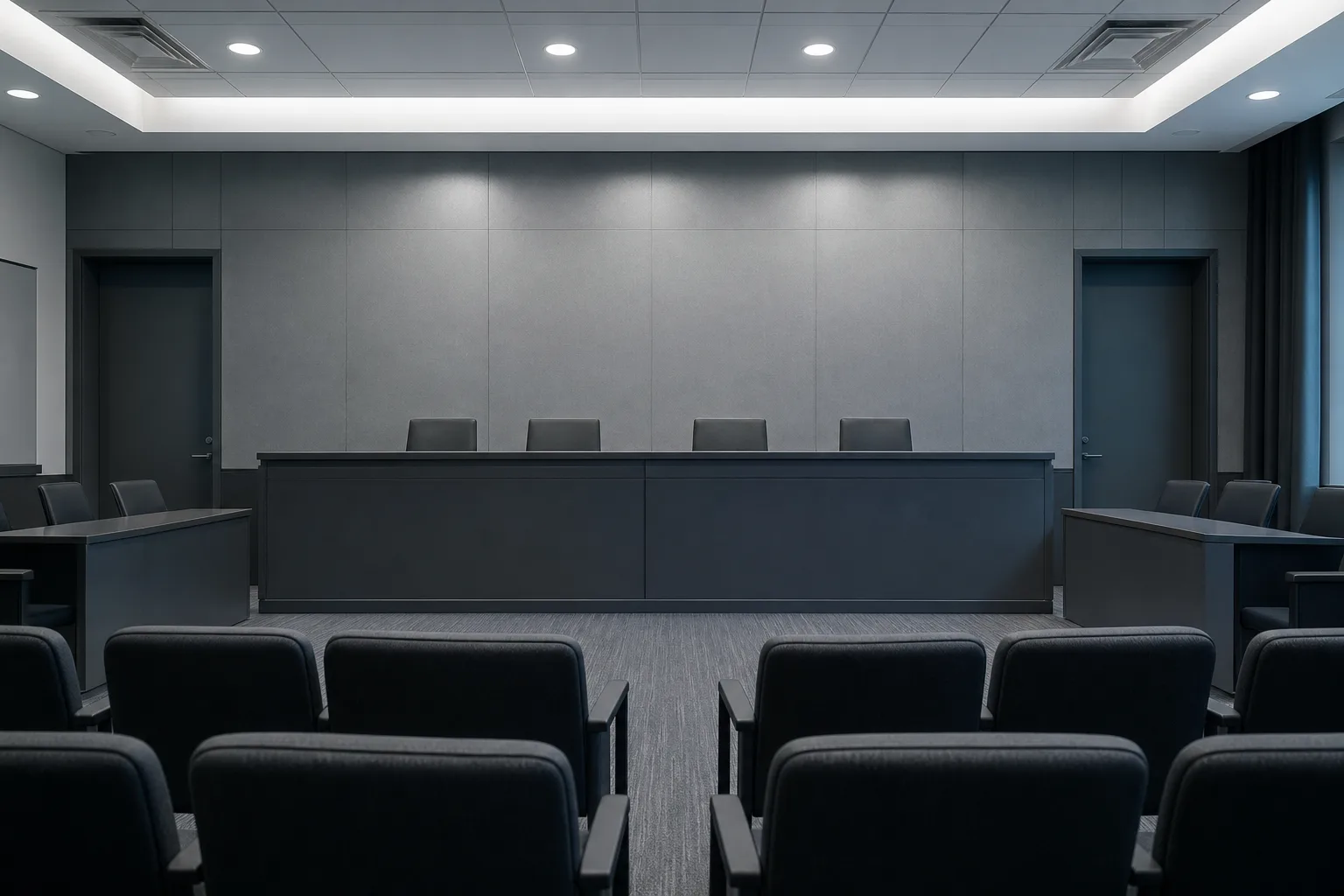
Commissioners of the Board of Parole are appointed by the Governor and confirmed by the State Senate, and they sit in panels, commonly two or three members, rather than as a full board. Interviews are frequently conducted by videoconference, with commissioners in one location and the candidate in a hearing room at the facility. The interview itself is short. Reported experience across Hudson Valley facilities describes conversations running a fraction of an hour, not a morning, which means the person appearing has a limited window to address the instant offense, the record since, and the release plan. Preparation is what makes that window usable.
Nobody appears with counsel in the way a courtroom would allow, but attorneys and nonprofit advocates do prepare candidates, draft parole packets, and submit materials in advance. Firms that describe themselves as Parole Lawyers generally price this work as a flat fee for packet preparation and interview coaching, with separate pricing for an administrative appeal, while legal services organizations and reentry nonprofits in New York sometimes do comparable work at no cost for people who qualify. The range between those two paths is wide enough that it deserves an actual conversation, with fee terms in writing, before anyone signs.
What COMPAS contributes, and what it does not decide
The COMPAS Risk and Needs Assessment is completed before the interview and scores domains including risk of felony violence, arrest risk, and absconding risk, alongside needs indicators such as substance use, education, and family support. Board regulations require commissioners to consider it, and to explain themselves when the ultimate decision departs from what the instrument suggests. What COMPAS does not do is decide. It is one input among the statutory factors, and low scores paired with a serious instant offense produce denials often enough that treating a favorable assessment as a guarantee is a planning error. Reading the scores in advance, where possible, tells a candidate which questions are coming.
The factors commissioners must address under Executive Law 259-i
Executive Law 259-i sets the framework: release is not a reward for good conduct in prison, and the panel must find that there is a reasonable probability the person will live and remain at liberty without violating the law, that release is not incompatible with the welfare of society, and that it will not so deprecate the seriousness of the crime as to undermine respect for law. Around that standard sit the enumerated considerations, including the instant offense, criminal history, institutional record and program participation, the risk and needs assessment, release plans, and statements from victims and officials. The written decision must give detailed reasons, not conclusions.
That written decision is where the money question becomes concrete. A denial carries a hold of up to twenty-four months before the next appearance, so the cost of an unprepared interview is measured in years of continued incarceration, lost wages, and family visits that keep costing what Hudson Valley travel costs. Against that sits the price of preparation, which is bounded and known in advance. The Bureau of Justice Statistics tracks parole and post-release supervision populations nationally, and the basic arithmetic it describes holds here: the interval between appearances is long enough that front-loading effort is almost always the cheaper side of the ledger.
Reading the decision, and planning the next move
Decisions arrive in writing and generally reach the candidate within days of the interview. A grant sets a conditional release date and an approved residence, which means the release plan has to survive investigation, not just sound plausible. A denial names the reasons relied on, and those reasons are the raw material for an administrative appeal, which has its own filing deadline measured from the decision. The useful habit is to read the decision against the statute clause by clause, because a panel that recites the seriousness of the offense without engaging the record since is producing a different document than one that addresses both.
The sequence rewards people who treat the notice as a starting gun rather than a warning. Assemble the packet early, learn what the assessment says, rehearse the hard questions honestly, and price the help before committing to it.
- 01
Panel composition
Board of Parole commissioners are appointed by the Governor and confirmed by the State Senate. They hear cases in panels of two or three, not as a full board.
- 02
Video hearings are standard
Many interviews are conducted by videoconference, with commissioners in one location and the candidate in a hearing room at the facility. Audio quality and interruptions are real variables worth rehearsing around.
- 03
Length of the interview
The conversation is typically a fraction of an hour rather than a full session. Candidates who ramble through the first answer often lose the chance to describe their release plan.
- The packet deadline
- Materials must reach the Board before the case folder closes, which is earlier than the hearing date. Letters mailed the same week as the interview may never be read by a commissioner.
- What goes in the folder
- Commissioners typically review sentencing minutes where they exist, the presentence report, disciplinary and program records, and statements from prosecutors, judges, or victims. The person appearing rarely controls most of that content.
- COMPAS scoring domains
- The Risk and Needs Assessment scores areas including felony violence risk, arrest risk, and absconding risk, alongside needs such as substance use and family support. It is an input, not a verdict.