Five facilities, one region
Ulster and Eastern are in Napanoch, Shawangunk and Wallkill sit near Route 208, and Woodbourne is in Sullivan County. All five are within roughly an hour's drive of Kingston.
Parole release and post-release supervision in New York State: how hearings are decided, what legal and nonprofit help costs, and what families can do around a facility visit
What a careful visitor confirms before leaving Kingston for Ulster, Eastern, Shawangunk, Wallkill, or Woodbourne: approval status, hours, dress rules, and where to sleep.
Ulster and Eastern are in Napanoch, Shawangunk and Wallkill sit near Route 208, and Woodbourne is in Sullivan County. All five are within roughly an hour's drive of Kingston.
The incarcerated person initiates the visitor application, not the visitor. Names go to the facility for processing, and the outcome is often communicated back through the person inside rather than by mail to the visitor.
Every call to a facility goes faster if you have the person's full legal name and DIN ready. Without it, staff frequently cannot locate the record while you are on the line.
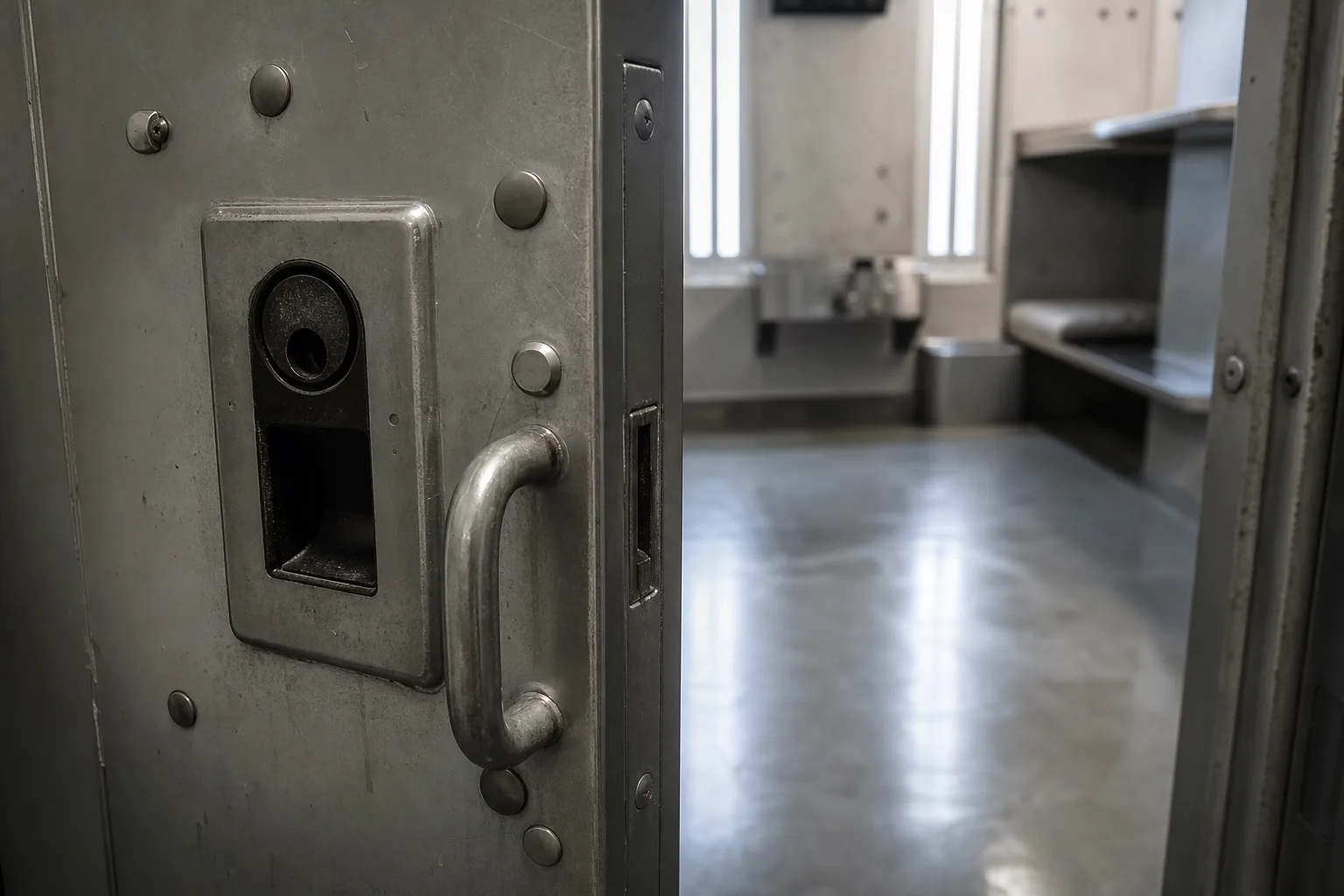
Visitor processing closes earlier than the visiting room itself. Arriving after the cutoff means no visit that day, regardless of how far you drove.
Five state facilities sit within roughly an hour of Kingston, and each one runs its visiting room on its own schedule, with its own parking arrangement and its own quirks about what you may carry through the door. Ulster and Eastern share a road in Napanoch. Shawangunk and Wallkill sit close together off Route 208. Woodbourne is farther southwest, into Sullivan County. The distances are small enough that people assume the trip is simple, then lose a day to a rule they could have confirmed by phone in four minutes.
Approval is the gate everything else depends on. An incarcerated person submits the names, the facility processes them, and the result is not always communicated back to the person waiting at home. A careful reader calls the facility's visiting office directly, gives the person's name and department identification number, and asks whether that specific visitor is currently approved and whether anything is pending. Ask the same question about children, who often require a birth certificate and proof of the accompanying adult's relationship. Approval also gets suspended without warning after a disciplinary matter, which is worth confirming the morning you leave.
Visiting days and processing cutoffs differ across these five facilities and change with staffing, holidays, and facility-wide lockdowns. Processing usually closes well before the visiting room does, so arriving an hour before the posted end of visiting can mean arriving too late to be admitted at all. Weekend rooms fill, and some facilities cap the number of visitors per person or per session. Two phone calls, one a week out and one the night before or the morning of, are the cheapest insurance available to anyone making this drive.
From Kingston, US 209 runs southwest toward Ellenville and carries you to the Napanoch facilities, while Route 32 and Route 208 head south toward Wallkill and Shawangunk. Woodbourne sits past Ellenville. Cell coverage thins in places along the Rondout Valley, so a downloaded map beats a live one. Public transit is thin and does not deliver you to a prison gate; the intercity carriers that do serve this corridor are regulated federally, with the Federal Motor Carrier Safety Administration responsible for the safety oversight of interstate bus operators. Most families drive, carpool, or arrange a ride share for the last leg.
State green is off limits because it resembles what incarcerated people wear, and so are revealing clothing, hooded garments in some rooms, and anything with hardware that puzzles a metal detector. Underwire bras are the single most common reason a visitor gets turned around, and a spare shirt in the trunk has saved more than one trip. Carry a state-issued photo ID, car keys, and a small amount of money for vending, and leave phones, bags, and paperwork in the car or a lobby locker. Ask the facility what form vending money must take.
Not every reason to travel requires travel. The department operates video visitation from community locations and through its own scheduling system, and Board of Parole interviews themselves are routinely conducted by video, with commissioners appearing remotely rather than sitting in the facility. Family members are not parties to that interview and do not attend it, but they can submit written statements to the Board in advance, which is often the more useful contribution. If the purpose of a trip is to deliver documents or messages, ask the counselor whether mail, the tablet system, or a scheduled call accomplishes the same thing.
Families traveling from New York City, Albany, or farther often arrive the night before rather than risk a late start against a processing cutoff. Motels cluster in Kingston, Ellenville, and along Route 17 near Monticello, and rates in the Catskills swing hard by season, so a July weekend costs more than a February one. Some nonprofit hospitality programs offer free or low-cost overnight stays and rides for prison visitors; the facility's visiting office and the chaplain can usually name the ones still operating locally.
The pattern that separates an uneventful visit from a wasted Saturday is unglamorous: confirm approval, confirm hours the morning of, dress for the metal detector, and know before you leave what happens if the facility goes on lockdown while you are on 209.